


Enhance Your Space with Marble Kitchen Surfaces Guide

Marble kitchen surfaces have long been a symbol of elegance and durability. They bring a timeless appeal to any space, whether residential or commercial. I have seen firsthand how a well-chosen marble surface can transform a kitchen, adding value and style. This guide will walk you through the essential aspects of marble kitchen surfaces, helping you make informed decisions for your property.
Understanding Marble Kitchen Surfaces Guide
Marble is a natural stone formed from limestone under intense heat and pressure. Its unique veining and color variations make each slab distinct. This natural variation is part of what makes marble so desirable. It is not just a surface; it is a statement.
When considering marble for your kitchen, it is important to understand its properties:
Durability: Marble is strong but softer than granite. It can scratch and etch if not properly cared for.
Porosity: Marble is porous, which means it can absorb liquids and stain if spills are not cleaned promptly.
Heat Resistance: Marble withstands heat well, making it suitable for kitchen use.
Maintenance: Regular sealing is necessary to protect the surface from damage.
Choosing marble means committing to its care. However, the payoff is a surface that elevates your space with natural beauty and sophistication.

Benefits of Installing Marble Kitchen Surfaces
Marble kitchen surfaces offer several advantages that make them a preferred choice for many property owners:
Aesthetic Appeal
Marble’s natural patterns and colors create a luxurious look. It complements various design styles, from classic to modern.
Increased Property Value
Installing marble surfaces can increase the resale value of your property. Buyers often see marble as a premium feature.
Versatility
Marble can be used for countertops, backsplashes, islands, and even flooring. Its versatility allows for cohesive design throughout the kitchen.
Cool Surface
Marble remains cool to the touch, which is ideal for baking and food preparation.
Longevity
With proper care, marble surfaces can last for decades without losing their charm.
These benefits make marble a practical and stylish choice. However, understanding how to maintain it is crucial to preserving its beauty.
Which is better, marble or granite?
When deciding between marble and granite, it is important to weigh their characteristics carefully.
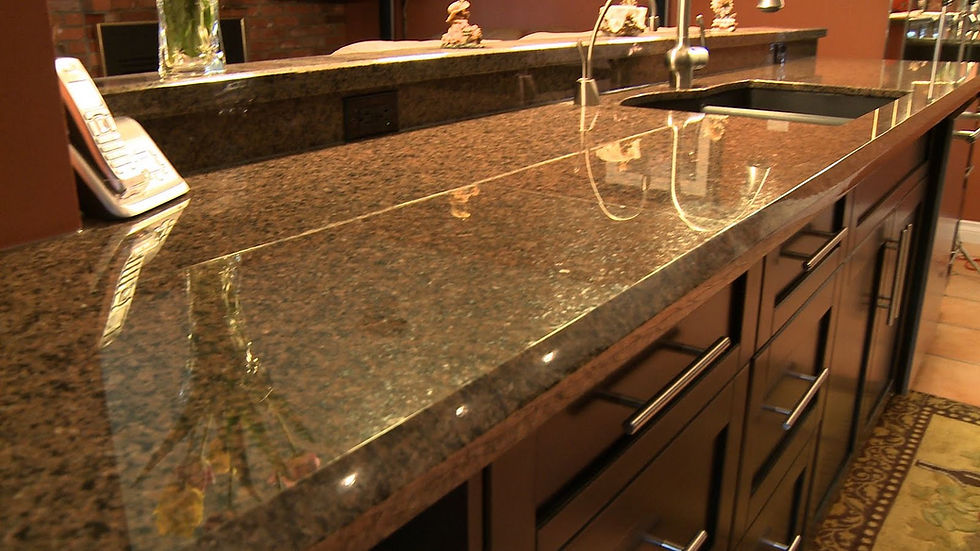
Appearance: Marble offers softer, more elegant veining, while granite has a speckled, granular look.
Durability: Granite is harder and more resistant to scratches and stains than marble.
Maintenance: Marble requires more frequent sealing and care to prevent etching and staining.
Cost: Marble can be more expensive depending on the type and source.
Heat Resistance: Both stones handle heat well, but granite is slightly more heat resistant.
If you prioritize aesthetics and are willing to maintain the surface, marble is an excellent choice. For higher durability with less maintenance, granite may be preferable. Ultimately, the decision depends on your specific needs and lifestyle.

Practical Tips for Caring for Marble Kitchen Surfaces
Proper care extends the life and appearance of marble surfaces. Here are actionable recommendations:
Seal Regularly: Apply a high-quality sealant every 6 to 12 months to protect against stains.
Clean Spills Immediately: Acidic substances like lemon juice, vinegar, and wine can etch marble. Wipe spills promptly.
Use Mild Cleaners: Avoid harsh chemicals. Use pH-neutral cleaners designed for natural stone.
Avoid Abrasive Tools: Use soft cloths or sponges to clean. Avoid scrubbing pads that can scratch.
Use Cutting Boards and Trivets: Protect the surface from scratches and heat damage.
Polish Occasionally: Professional polishing can restore shine and remove minor scratches.
Following these steps will keep your marble kitchen surfaces looking pristine and elegant for years.
Enhancing Your Space with Marble Countertop Installation
Choosing to install a Marble countertop is a decision that enhances both the function and style of your kitchen. The installation process requires precision and expertise to ensure the stone is properly supported and sealed.
Here are key points to consider during installation:
Professional Measurement: Accurate measurements prevent costly mistakes.
Quality Fabrication: Skilled fabricators cut and finish the marble to fit your space perfectly.
Proper Support: Marble is heavy and needs adequate cabinetry support.
Sealing Post-Installation: Sealing after installation protects the surface from immediate damage.
Edge Profiles: Choose an edge style that complements your kitchen design and usage.
Investing in professional installation guarantees the longevity and beauty of your marble surfaces. It also ensures safety and functionality in your kitchen.
Final Thoughts on Marble Kitchen Surfaces
Marble kitchen surfaces offer unmatched beauty and a sense of luxury. They require commitment to maintenance but reward you with a stunning, durable surface. Whether you are upgrading a home kitchen or outfitting a commercial space, marble adds value and style.
By understanding the properties, benefits, and care requirements, you can make confident decisions. Remember to work with trusted professionals for installation and restoration to maintain the integrity of your marble surfaces.
Enhance your space with marble kitchen surfaces and enjoy the timeless elegance they bring.



Comments